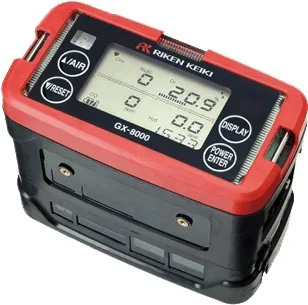
Combustible/toxic Gas/oxygen, Deficiency Detector Gx-8000
Combustible/toxic Gas/oxygen, Deficiency Detector Gx-8000 is a Gas Detectors Combination item in the ShipsBay marine supply catalogue (IMPA code 330521, supplied by the set). Pricing is request-based — add it to a quote cart and submit a consolidated RFQ stating quantity, unit of measure and delivery port; exact specifications and availability are confirmed in the supplier's quotation.
- Stock code
- SB-7488
- IMPA code
- 330521
- UOM
- SET
- Pricing model
- Quote on request
- Sales workflow
- RFQ review
Combustible/toxic Gas/oxygen, Deficiency Detector Gx-8000 Product details
Combustible/toxic Gas/oxygen, Deficiency Detector Gx-8000 is a Gas Detectors Combination item in the ShipsBay marine supply catalogue (IMPA code 330521, supplied by the set). Pricing is request-based — add it to a quote cart and submit a consolidated RFQ stating quantity, unit of measure and delivery port; exact specifications and availability are confirmed in the supplier's quotation.
Combustible/Toxic Gas/Oxygen, Deficiency Detector Gx-8000 is listed in the ShipsBay catalog under Gas Detectors Combination for structured marine supply RFQ workflows. IMPA code 330521 UOM SET help purchasing teams match the item with vessel requisitions and supplier quotations without adding unconfirmed technical specifications. Selection should begin by matching the product name with the actual purchasing need.
The item can be checked against vessel requisitions, purchasing lists or previous supply references before the RFQ is sent to suppliers. The request can also list any delivery paperwork the vessel expects with the order, such as a packing list keyed to the catalog reference. Keeping that handover note separate from the item lets the purchasing team reconcile what arrives against what was requested.
This ShipsBay product page works as a procurement reference. The content helps buyers understand where the item fits in the catalog, collect quantities from different departments and prepare a clear request for quotation and delivery planning. For catalog accuracy, the buyer should keep the request language close to the vessel's own terminology.
Combustible/toxic Gas/oxygen
Combustible/Toxic Gas/Oxygen — If the crew uses a drawing reference, purchase list wording, equipment note or store-room label, those references can be added to the RFQ message so the supplier can compare the request with the expected item. The page is intentionally written without unsupported claims about approvals, material, dimensions or supplier terms.
That keeps the product record suitable for quote comparison while leaving exact commercial and technical confirmation to the supplier response. Grouping related products in one request makes it easier to review quantities, units, delivery expectations and substitution questions before the final offer is evaluated. When requesting a quote, buyers should state quantity, unit of measure, delivery port and any internal reference numbers.
These details support a clearer offer review and reduce follow-up questions between the vessel, procurement team and supplier. If the product is included in a scheduled supply call, the RFQ note should describe only the known catalog reference and buyer requirement in neutral language. That gives the purchasing team enough context to compare offers while avoiding assumptions that are not confirmed by the original catalog data.
Variants (same IMPA code)
Same IMPA code — different size, specification or supplier.