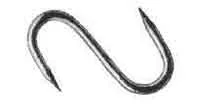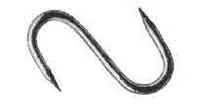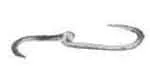
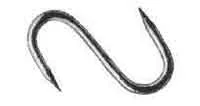
Meat Hook Stainless Steel, Non-Swivel 210Mm
This item is identified for RFQ workflows using the product name Meat Hook Stainless Steel, Non-Swivel 210mm, IMPA code 172388, and SKU SB-000632. Procurement teams should specify the quantity in PCE and include the delivery port to ensure accurate matching in supplier quotations.
- Stock code
- SB-3266
- IMPA Code
- 172388
- UOM
- PCE
- Pricing model
- Quote on request
- Sales workflow
- RFQ review
Meat Hook Stainless Steel, Non-Swivel 210Mm Product details
The Meat Hook Stainless Steel, Non-Swivel 210mm is a catalog item within the Hooks Meat category. It is available for procurement via structured RFQ, utilizing the IMPA 172388 code and PCE unit of measure to ensure accurate matching between vessel requisitions and supplier quotations.
Meat Hook Stainless Steel, Non-Swivel 210mm is listed in the ShipsBay catalog under the Hooks Meat category for structured marine supply RFQ workflows. The item is identified by IMPA code 172388 and SKU SB-000632, with a unit of measure listed as PCE. These identifiers help purchasing teams match the item with vessel requisitions and supplier quotations. According to source facts, this item is made of galv. iron or stainless steel.
The catalog notes that these hooks are available in both swivel and non-swivel types. When requesting a quote, buyers should state the intended quantity, preferred packing, delivery port, and any internal reference numbers such as stock code SB-3266. Providing these details supports a clearer offer review and reduces follow-up questions between the vessel, technical superintendent, and the procurement team.
Meat Hook
Meat Hook — The item can be checked against vessel requisitions, maintenance notes, or previous supply references before the RFQ is sent. Meat Hook — This product page serves as a neutral procurement reference for ship chandlery needs. For catalog accuracy, buyers should keep the request language close to the vessel's own terminology.
If the crew uses a specific drawing reference or store-room label, those references can be added to the RFQ message so the supplier can compare the request with the expected item. This record is intentionally written without unsupported claims about approvals or performance. This keeps the product record suitable for quote comparison while leaving exact commercial and technical confirmation to the supplier response.
Procurement teams can use this item together with related catalog entries when preparing a consolidated quote cart. If the product is ordered for routine stores or a scheduled supply call, the RFQ note should describe the operational context in neutral language. This gives the purchasing team enough context to compare offers while avoiding assumptions not confirmed by the original catalog data.